
Dentures
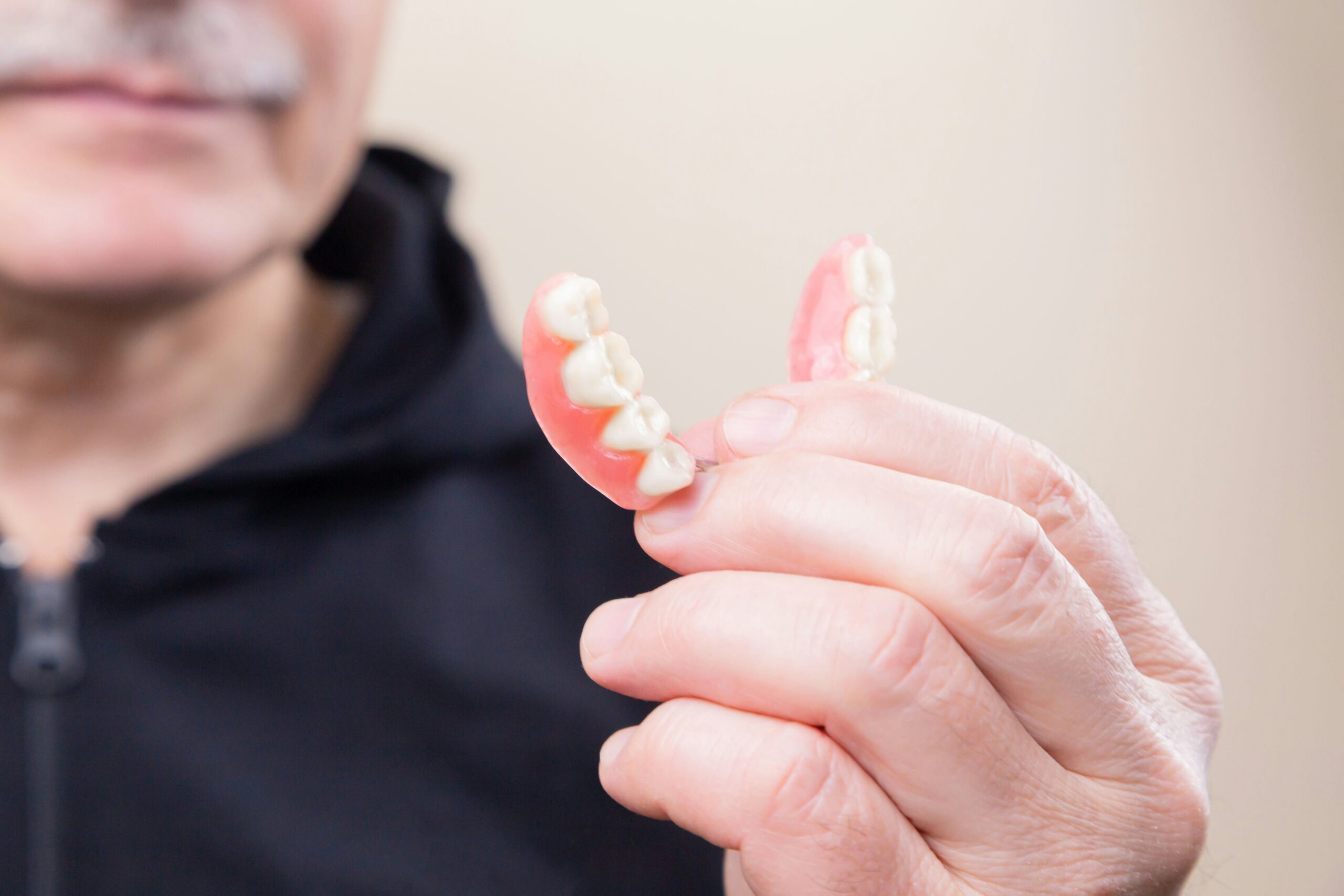
Rediscover Your Smile and Confidence: A Guide to Dentures
Losing teeth, whether due to decay, gum disease, or injury, can significantly impact your daily life – affecting your ability to eat, speak, and even smile with confidence.1 Fortunately, modern dentistry offers excellent solutions to restore your smile and oral function, with dentures being a time-tested and effective option for many.2
What Are Dentures?
Dentures are removable prosthetic devices designed to replace missing teeth and the surrounding gum tissue.3 They are custom-made to fit comfortably in your mouth, restoring the appearance of your smile and improving your ability to chew and speak.4
Types of Dentures:
There are several types of dentures available, each tailored to different needs:5
- Complete (Full) Dentures:
- When Used: These are used when all the teeth in either the upper or lower jaw (or both) are missing.6
- How They Work: They consist of a flesh-colored acrylic base that fits over your gums. The upper denture covers the roof of your mouth, while the lower denture is horseshoe-shaped to accommodate your tongue.7 They are held in place by natural suction and sometimes with the help of denture adhesives.8
- Conventional Dentures: Made after all remaining teeth are extracted and the gum tissue has healed (typically 8-12 weeks).9
- Immediate Dentures: Fabricated in advance and placed immediately after tooth extraction.10 This allows you to avoid being without teeth during the healing period, but they often require adjustments or relining as your gums heal and change shape.11
- Partial Dentures:
- When Used: These are used when one or more natural teeth remain in the upper or lower jaw.
- How They Work: A partial denture consists of replacement teeth attached to a gum-colored base, which is connected by a metal or acrylic framework. This framework holds the denture in place, often with clasps that attach to your natural teeth. Partial dentures fill the gaps created by missing teeth and prevent your remaining natural teeth from shifting.12
- Implant-Supported Dentures (Overdentures):
- When Used: These offer a more secure and stable option for both full and partial dentures.
• • How They Work: Instead of relying solely on suction or clasps, implant-supported dentures snap onto a few strategically placed dental implants in your jawbone.13 This provides significantly enhanced stability, chewing efficiency, and comfort, while also helping to preserve jawbone density. They can be removable (snapped on and off) or fixed (permanently attached).
The Benefits of Dentures:
Modern dentures offer numerous advantages, significantly improving quality of life:14
- Restored Appearance: They fill out your facial profile and restore your smile, helping you look younger and feel more confident.15
- Improved Chewing Ability: While it takes time to adjust, dentures allow you to eat a wider variety of foods than you could with missing teeth, improving your nutrition and enjoyment of meals.16
- Enhanced Speech: Missing teeth can affect your pronunciation.17 Dentures help restore proper speech patterns.18
- Prevention of Facial Sagging: Missing teeth can cause facial muscles to sag, making you look older.19 Dentures provide support for your lips and cheeks.20
• • Cost-Effective Solution: For many, dentures offer an accessible and effective way to replace multiple missing teeth compared to other full-mouth restoration options.
The Denture Process: What to Expect
Getting dentures typically involves several appointments:
- Initial Consultation & Impressions: We'll assess your oral health, discuss your options, and take precise impressions of your mouth.21
- Trial Fittings: Wax models or plastic prototypes of your dentures will be created for you to try on. This allows us to check the fit, bite, and appearance, making any necessary adjustments to ensure optimal comfort and aesthetics.
- Final Denture Delivery: Once perfected, your custom-made dentures are ready. We'll provide detailed instructions on how to insert, remove, and care for them.
• 4. Adjustment Appointments: It's normal to need a few adjustment appointments as your mouth adapts to the new dentures.22 Minor sore spots or pressure points can be refined for maximum comfort.
Caring for Your Dentures:
Proper care is essential for the longevity of your dentures and your oral health:23
- Clean Daily: Brush your dentures daily with a soft-bristled brush and non-abrasive denture cleaner to remove food particles and plaque.24
- Handle with Care: Always handle dentures over a soft towel or a basin of water to prevent breakage if dropped.
- Keep Them Moist: When not wearing them, store your dentures in water or a denture cleaning solution to prevent them from drying out and losing their shape.25
• • Regular Dental Check-ups: Continue to visit us regularly. We'll check the fit of your dentures, examine your remaining natural teeth (if you have partials), and assess the health of your gums and oral tissues.26
Rediscover Your Confident Smile!
Dentures are a viable and beneficial solution for many individuals with missing teeth.27 They can significantly improve your quality of life, allowing you to eat, speak, and smile with renewed confidence.2
If you're considering dentures or want to learn more about tooth replacement options, contact [Your Dental Clinic Name] today to schedule a consultation. We're here to help you achieve a healthy, functional, and beautiful smile!