
Root Canal Treatment
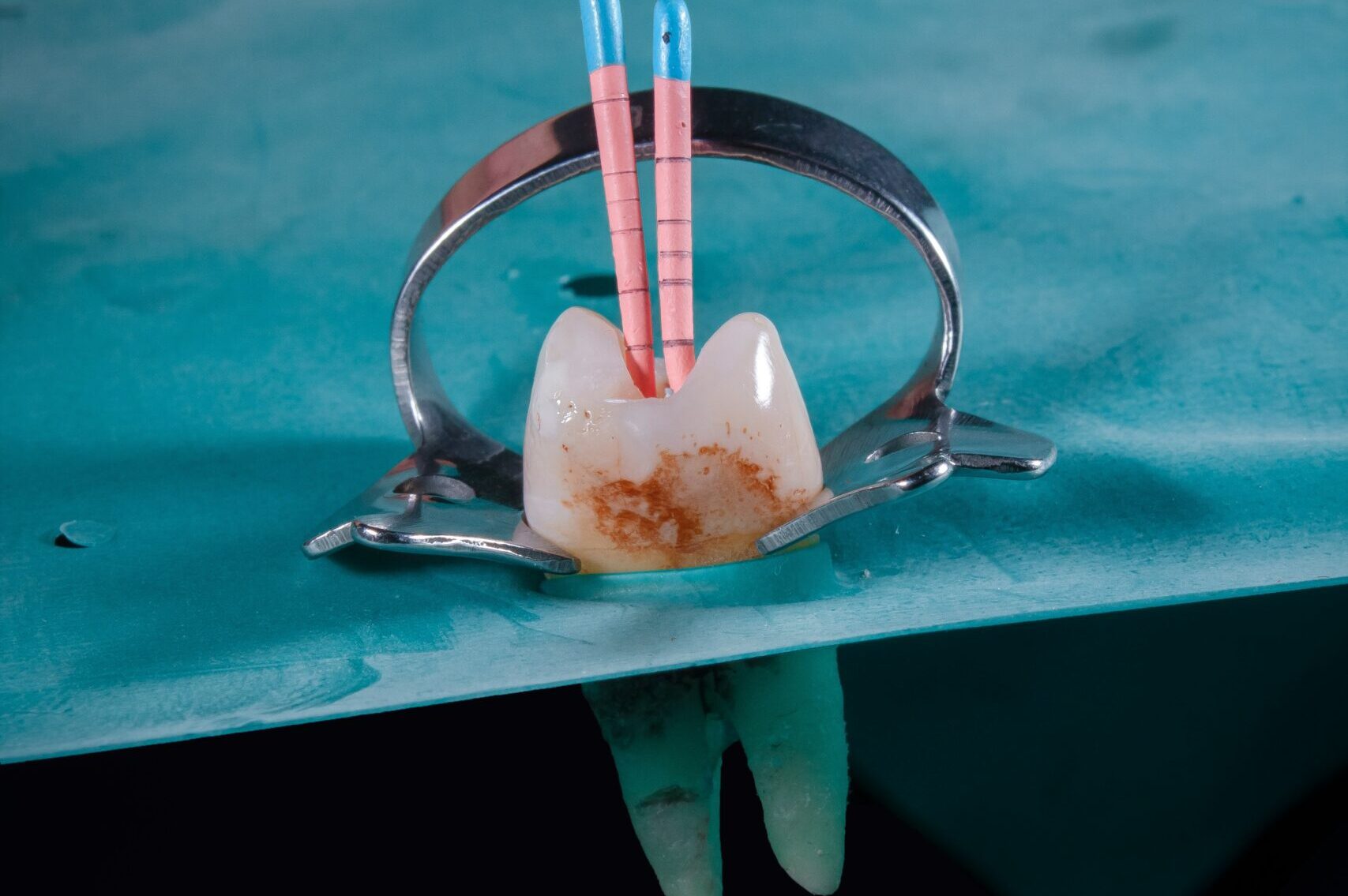
Saving Your Natural Tooth: Understanding Root Canal Treatment
Discovering you need a root canal can sometimes sound intimidating, but in reality, this common dental procedure is a highly effective and often pain-relieving way to save a tooth that has been severely damaged or infected. Far from being a painful ordeal, root canal treatment is designed to alleviate discomfort and restore the health and function of your natural tooth
What is a Root Canal?
At the heart of every tooth lies the dental pulp – a soft tissue containing nerves, blood vessels, and connective tissue. This pulp extends from the crown of your tooth down to the tip of your tooth roots. When this pulp becomes infected or inflamed due to deep decay, repeated dental procedures, a crack or chip in the tooth, or trauma, it can cause significant pain and lead to an abscess if left untreated.
Root canal treatment, also known as endodontic treatment, is a procedure designed to:
Remove the Damaged Pulp: The infected or inflamed pulp is carefully removed from inside the tooth.
Clean and Disinfect: The inside of the tooth, including the root canals, is thoroughly cleaned, shaped, and disinfected.
Seal the Tooth: The cleaned space is then filled with a biocompatible material, usually gutta-percha, and sealed to prevent further infection.
Why is a Root Canal Necessary?
When the pulp is damaged, it can't heal on its own. Leaving an infected tooth untreated can lead to:
Severe Pain: Often, the first sign of a problem is persistent pain, sensitivity to hot and cold, or pain when chewing.
Abscess Formation: An infection can spread to the bone around the tooth root, forming a pus-filled pocket called an abscess. This can cause swelling, tenderness, and even a pimple-like bump on the gums.
Bone Loss: An untreated infection can lead to bone loss around the root of the tooth.
Tooth Loss: Ultimately, if the infection is not addressed, the tooth may need to be extracted.
Spread of Infection: In rare cases, the infection can spread to other parts of the body, leading to more serious health issues.
A root canal treatment is often the only alternative to extracting a damaged tooth, allowing you to preserve your natural smile and maintain proper chewing function.
The Root Canal Procedure: What to Expect
The root canal process typically involves one or two appointments, depending on the complexity of the case and the extent of the infection. Here's a general overview:
Anesthesia: Your tooth and the surrounding area will be completely numbed with local anesthesia, ensuring you remain comfortable throughout the procedure. Many patients report that a root canal feels no different than getting a filling.
Access Opening: A small opening is made in the crown of the tooth to access the pulp chamber and root canals.
Pulp Removal and Cleaning: Using specialized instruments, the infected or inflamed pulp is carefully removed. The inside of the tooth is then cleaned, shaped, and disinfected to remove any bacteria and debris.
Filling the Canals: The cleaned and disinfected root canals are filled with a rubber-like material called gutta-percha, which seals the canals to prevent re-infection.
Temporary Filling/Restoration: A temporary filling is usually placed in the opening of the tooth to protect it until a permanent restoration can be placed.
Permanent Restoration (Crown): In most cases, after a root canal, your tooth will require a dental crown. A crown provides strength and protection to the treated tooth, which can become brittle after the pulp is removed. This is a crucial step for long-term success.
Benefits of Root Canal Treatment:
Saves Your Natural Tooth: The primary benefit is preserving your own tooth, avoiding the need for extraction and subsequent replacement options like implants or bridges.
Eliminates Pain: A root canal effectively removes the source of infection and inflammation, alleviating the severe toothache you may have been experiencing.
Restores Function: Once treated and restored with a crown, the tooth can function normally for chewing and speaking.
Cost-Effective: Saving your natural tooth with a root canal is often more cost-effective than extracting the tooth and replacing it with an artificial one.
Maintains Appearance: Keeping your natural tooth helps maintain the natural alignment of your other teeth and preserves your smile's aesthetics.
After Your Root Canal: It's normal to experience some mild tenderness or sensitivity for a few days after the procedure, which can usually be managed with over-the-counter pain relievers. We will provide you with detailed aftercare instructions to ensure a smooth recovery. Remember, the placement of the permanent crown is vital for the long-term success of the treated tooth.
Don't Let Tooth Pain Linger!
If you're experiencing symptoms of a tooth infection, it's crucial to seek dental attention promptly. Root canal treatment is a highly successful procedure that can relieve your pain and save your natural tooth, allowing you to maintain your oral health and beautiful smile.
Contact Mission Junction Dental today to schedule a consultation if you're experiencing tooth pain or suspect you may need a root canal. We're here to help you get back to comfortable, healthy living!